Complete Guide to Homeowners Relief Program, Home Assistance Program, and Pathway to Purchase Program
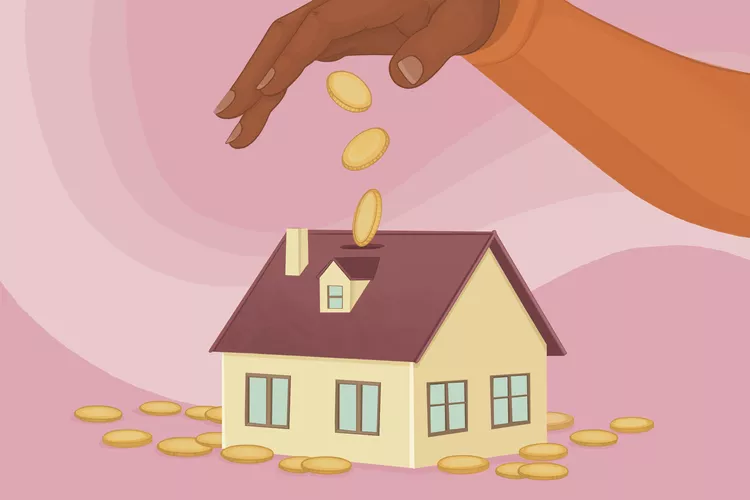
An Overview: Home Assistance Program
In recent years, many families have struggled to keep up with mortgage payments and other housing costs. To address this, Congress created the Homeowner Assistance Fund (HAF), placing nearly $10 billion under the Department of the Treasury to support homeowners in need. While these funds were meant to offer quick relief, distribution has been slower than expected, with states carrying much of the responsibility for designing and running their own programs. For families, this often means navigating a complex web of state systems to access the help they deserve. Programs like the Homeowners’ Relief Program and Home Assistance Program are meant to bridge these gaps, while state options such as the Pathway to Purchase Program provide added support for people looking to secure or stabilize their homes.
But even with these resources available, the reality is urgent. By late 2022, only a fraction of HAF’s billions had reached homeowners, leaving many still at risk of foreclosure. The process can feel overwhelming, different states, different rules, different timelines, and delays in applying can mean losing out altogether. At the same time, some support programs have already ended, making the need to act now even more critical. For households already stretched thin, waiting is simply not an option.
That’s where this guide comes in. Here, we’ll simplify the relief landscape and explain how to make sense of the Homeowners’ Relief Program, Home Assistance Program, and the Pathway to Purchase Program. By the end, you’ll have a clear understanding of the steps you can take to keep your housing secure and your finances steady.
Understanding the Homeowners’ Relief Program
The Homeowners’ Relief Program is part of a larger effort under the federal Homeowner Assistance Fund (HAF), which was created by Congress during the pandemic. Nearly $10 billion was set aside to help people cover overdue mortgage payments, utilities, property taxes, and other housing-related costs. The U.S. Department of Treasury provides the funds, but it is up to states, tribes, and territories to design and operate their own relief programs. This structure means homeowners across the country have access to support, but the details of how that support is offered can vary depending on where they live.
Despite the scale of the program, progress has been slower than expected. As of late 2022, only around $2 billion of the funds had been distributed, reaching about 150,000 households. With states managing their own application systems, homeowners often face different rules, timelines, and documentation requirements. This uneven rollout has made it difficult for many families to access the help they need, even though the money is there and available.
For those who do qualify, the relief can make a real difference. Homeowners may be able to bring their mortgage current, pay off charges like taxes or insurance, or even qualify for a loan modification with lower monthly payments. Some programs also provide help with overdue utility or association fees, reducing the risk of foreclosure. The key is understanding how your state program works and applying as early as possible. Since funds are limited, acting quickly can be the difference between securing relief and missing the opportunity.
Breaking Down the Home Assistance Program
The Home Assistance Program is designed to help homeowners manage housing costs when financial pressure becomes overwhelming. Funded through the federal Homeowner Assistance Fund (HAF), each state has shaped its own version of the program. Here’s what you should know:
- Covers more than mortgages: Relief often extends beyond missed mortgage payments to include utilities, property taxes, insurance, and in some cases, even internet service.
- State-specific rules: Each state designs its own program. For example, Texas offered up to $65,000 in assistance per household, covering overdue bills and up to three months of future utilities (tdhca.texas.gov).
- Direct payments: Funds usually go straight to the mortgage servicer, tax authority, or utility provider, ensuring debts are cleared without added steps for homeowners.
- Income limits: Most programs are capped at 100% to 150% of the area median income (AMI) to prioritize households most in need.
- Future protection: In some states, programs also help with upcoming mortgage payments, giving families a buffer while they work toward longer-term solutions like loan modifications or counseling.
Choosing the Right Program for Your Situation
When it comes to mortgage support, not every program works the same way. Knowing the difference helps you pick what’s right for your needs.
- Relief Programs: These usually offer temporary payment breaks or reduced interest, giving you breathing room during tough times. Best suited if you’re facing a short-term challenge like job loss or medical expenses.
- Assistance Programs: These may cover part of your payments or provide direct financial help. They’re useful if your income has dropped and you need ongoing support to stay on track.
- Purchase Programs: These come into play when buying a home. They often include down payment aid, lower interest options, or grants. Ideal if you’re a first-time buyer or looking to ease the upfront cost.
- Can Programs Be Combined: In some cases, yes. For example, you might use an assistance program to stabilize current payments and a purchase program later when you’re ready to buy a new home.
No matter which program you choose, knowing how to apply the right way makes all the difference. Let’s explore how to do that next.
Conclusion: Homeowners' Relief Program
Finding relief programs can feel overwhelming, especially since every state runs its system differently. While Pathway Mortgage Relief does not provide relief directly, our role is to connect homeowners with trusted affiliates and help point them toward credible resources.
With the right information and timely action, homeowners can protect their housing security and financial stability.
